AI Overview
The U.S. government is the national government of the United States of America, a constitutional federal republic that shares sovereignty with individual state governments. Its structure, defined by the U.S. Constitution, is divided into three distinct and coequal branches to ensure a balance of power.
The Three Branches of Government
Each branch has its own powers and responsibilities:
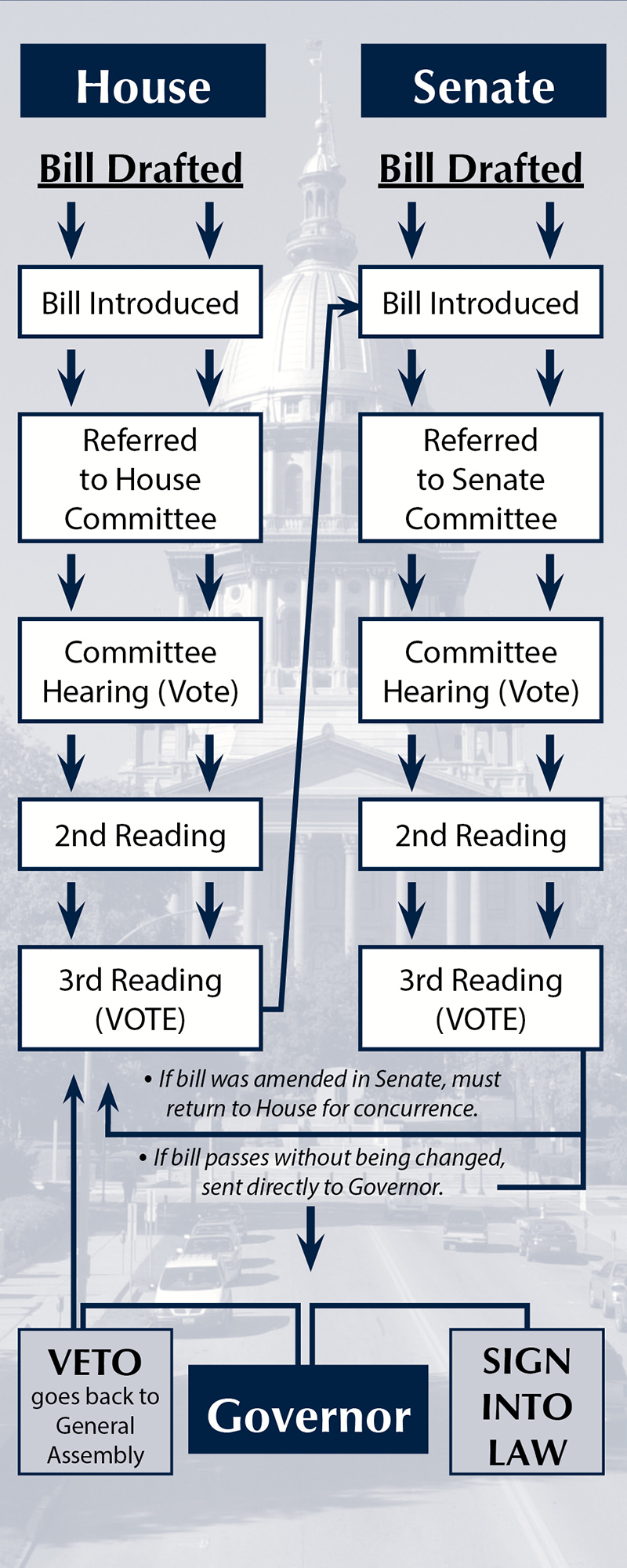
- Legislative Branch: Headed by the Congress, which is bicameral (composed of the House of Representatives and the Senate), this branch has the authority to draft proposed laws, declare war, and control taxing and spending policies.
- Executive Branch: Led by the President (currently Donald Trump), the Vice President (currently JD Vance), and various federal agencies and departments, this branch is responsible for implementing and enforcing the laws made by Congress. The President is also the Commander-in-Chief of the armed forces.
- Judicial Branch: Composed of the Supreme Court and lower federal courts, this branch evaluates and interprets the laws and the Constitution. The current Chief Justice is John Roberts.
Key Officials
As of late 2025, the key leaders include:
- President: Donald Trump
- Vice President: JD Vance
- Speaker of the House: Mike Johnson
- Chief Justice of the Supreme Court: John Roberts
- Secretary of State: Marco Rubio
For more information on the U.S. government structure and to find specific agencies, visit the official government information portal at USA.gov.