


AI Overview
Some people may seem to thrive on negativity due to learned behaviors from negative environments, underlying mental health issues like depression or anxiety, or a perceived sense of power or control that negativity provides to boost their self-esteem. However, the human tendency to focus on negative information, known as negativity bias, is a hardwired evolutionary survival mechanism that causes the brain to react more strongly to threats.
Evolutionary Roots & Brain Function
- Survival Mechanism: Negativity bias is an evolved trait that helped our ancestors quickly identify and react to dangers, improving their chances of survival.
- Brain Activity: Neuroscientific research shows the brain has a greater neural processing response to negative stimuli compared to positive ones, reinforcing the tendency to focus on negative experiences.
Learned Behaviors & Environment
- Upbringing: Growing up in a negative or critical environment can lead to negativity becoming an ingrained, habitual way of thinking and behaving.
- Social Norms: If complaining and negativity are common in a person’s social circles or family, they may adopt these behaviors as normal.
Psychological Reasons
- Low Self-Esteem: Some individuals may use negativity to boost their self-esteem by criticizing others, making themselves feel superior, or feeling smart for noticing flaws.
- Mental Health: Mental health conditions such as depression and anxiety can cause people to focus more on negative aspects of life.
- Trauma: Past trauma or difficult life transitions can also lead to negative thought patterns and behaviors.
Perceived Benefits
- Feeling in Control: For some, focusing on negative aspects can provide a sense of control or a way to prepare for the worst, even if it’s not a healthy coping mechanism.
- Social Connection: In some instances, negativity can be used as a way to form connections with others who share similar complaints or grievances. What type of person thrives on negativity?
What type of person thrives on negativity?
- A toxic person is someone whose behavior adds negativity and upset to your life. These individuals thrive on creating drama, spreading negativity, and draining the energy and happiness of those around them.Mar 24, 2025
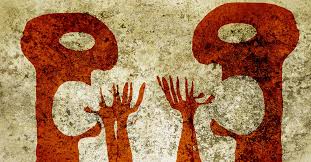
Toxic people can come in many forms and can be found in all areas of life—whether it’s a colleague who constantly undermines you, a friend who always brings you down, or a family member who manipulates your emotions.
Here’s the problem: Guilt
Whenever I talk about toxic people, the same categories seem to crop up over and over again:
- Friend by History: This is a person whom you have known forever. Maybe you went to elementary school together, or you were neighbors growing up. Now you feel guilty ending the relationship.
- Friend by Proximity: This is a person who comes as a package with someone else in your life. Maybe it’s your partner’s best friend, or your friend’s brother who always tags along, or your best friend’s childhood friend. You feel guilty because you don’t want to put your person in an awkward situation.
- Friend by Context: This is a person who you see all the time in a specific area of your life–someone you work with everyday… someone on your flag football team… someone who lives across the hall. You feel guilty brushing them off because you see them all the dang time.
Sometimes these relationships are casual, but other times they can grow rotten. You end up keeping someone in your life who is jealous or has a totally different set of ethics, and that is when they become toxic.
Which type of toxic behavior do you find most challenging to deal with?
Vote see other people’s results! (no email required)
People who dominate conversations and never listen
People who are always surrounded by drama and crises
People who constantly complain and drain your energy
People who express negativity through indirect comments and actions
The 12 Types of Toxic People
Reprint from Science of People By Vanessa Van Edwards
I have identified 12 types of toxic people. These can be helpful in identifying the different types of toxic people to watch out for:
The Conversational Narcissist
Have you ever been talking to someone who keeps interrupting you? Maybe I should revise that sentence: have you ever been trying to talk to someone who won’t let you get a word in? Conversational narcissists LOVE to talk about themselves—or just hear themselves talk.
They don’t ask you any questions, they don’t wait for your responses, and they won’t shut up. In a relationship, these people will end up being completely self-centered, and will never be attentive to your needs.
Things a Conversational Narcissist Might Say:
- “Enough about you, let me tell you about my day!”
- “Oh, that reminds me of when I…”
- “I know exactly how you feel, because I…”
How to Handle a Conversational Narcissist:
- Set Boundaries: Politely interrupt and steer the conversation back to a balanced exchange. You can say something like, “I’d love to hear more, but can we first finish what I was saying?”
- Ask Direct Questions: Keep the focus on a two-way dialogue by asking them specific questions about what you were discussing. For example, “What do you think about this particular aspect?”
- Limit Interaction: If possible, limit your time with them to avoid feeling drained. It’s okay to prioritize your own mental well-being (and it’s TOTALLY worth it!).
For example, Kanye West has often been cited as a conversational narcissist, according to Shaquille O’Neal1.
You can see this behavior during the 2009 MTV Video Music Awards when Kanye interrupted Taylor Swift’s acceptance speech to declare that Beyoncé had one of the best videos of all time:
What is a Toxic Person?
A toxic person is someone whose behavior adds negativity and upset to your life. These individuals thrive on creating drama, spreading negativity, and draining the energy and happiness of those around them. They are often characterized by their lack of empathy, constant need for attention, and tendency to manipulate or harm others for their gain.
Toxic people can come in many forms and can be found in all areas of life—whether it’s a colleague who constantly undermines you, a friend who always brings you down, or a family member who manipulates your emotions.
Here’s the problem: Guilt
Whenever I talk about toxic people, the same categories seem to crop up over and over again:
- Friend by History: This is a person whom you have known forever. Maybe you went to elementary school together, or you were neighbors growing up. Now you feel guilty ending the relationship.
- Friend by Proximity: This is a person who comes as a package with someone else in your life. Maybe it’s your partner’s best friend, or your friend’s brother who always tags along, or your best friend’s childhood friend. You feel guilty because you don’t want to put your person in an awkward situation.
- Friend by Context: This is a person who you see all the time in a specific area of your life–someone you work with everyday… someone on your flag football team… someone who lives across the hall. You feel guilty brushing them off because you see them all the dang time.
Sometimes these relationships are casual, but other times they can grow rotten. You end up keeping someone in your life who is jealous or has a totally different set of ethics, and that is when they become toxic.


mn7777
I recently checked out mn7777 and ended up spending more time on it than I planned. Worth a look: mn7777